
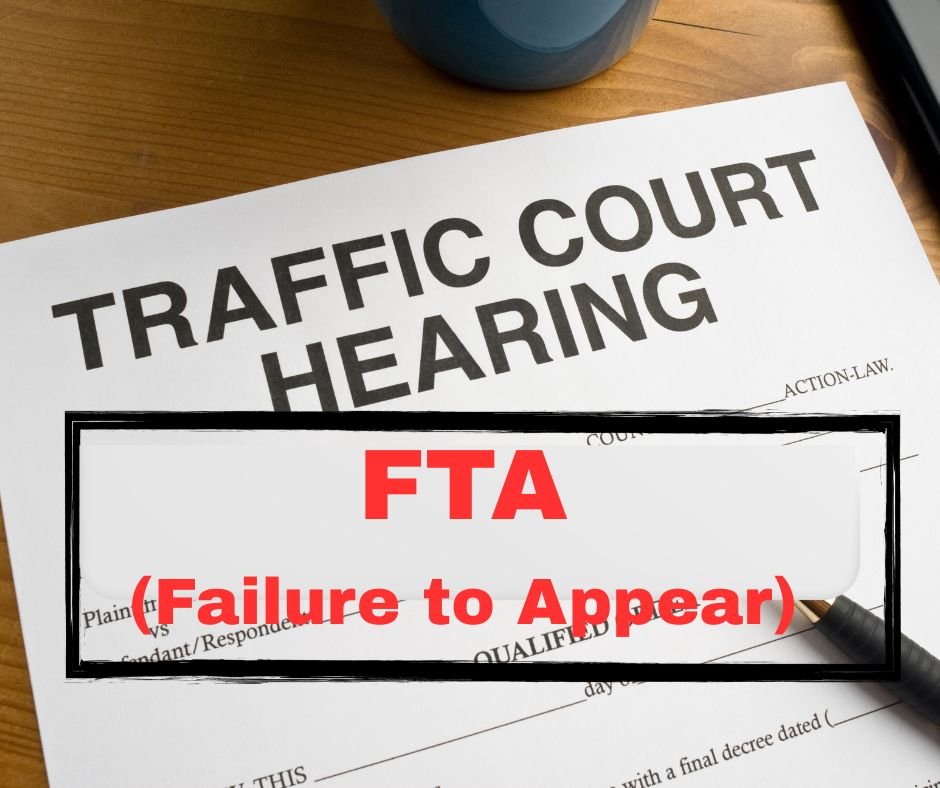
Traffic tickets often feel minor—until a deadline is missed. In 2026, traffic courts across the country are using faster reporting systems, automated penalties, and tighter coordination with motor vehicle departments. As a result, drivers who fail to appear in court or fail to pay a ticket on time can face consequences that escalate quickly and unexpectedly.
What begins as a routine citation can evolve into license suspension, increased fines, or even arrest authorization if deadlines are ignored. Understanding how modern traffic courts handle missed obligations is essential for protecting your driving privileges and avoiding long-term damage.
What “Failure to Appear” and “Failure to Pay” Mean in Traffic Court
Failure to Appear Explained
A failure to appear occurs when a driver does not respond to a traffic citation that legally requires court action. This may include:
- Missing a scheduled in-person hearing
- Not logging into a virtual court appearance
- Failing to respond to a citation that mandates a court decision
In many jurisdictions, simply ignoring the ticket counts as a failure to appear—even if no specific date feels obvious to the driver.
Failure to Pay Explained
Failure to pay happens when fines, fees, or court costs are not paid by the required deadline. This applies even when the driver has no intention of contesting the ticket. Courts treat unpaid citations as unresolved cases, not administrative oversights.
By 2026, most courts no longer issue repeated reminders before taking action.
How Traffic Courts Respond to Missed Deadlines in 2026
License Suspensions Are Triggered Faster
One of the most common penalties for missed deadlines is a driver’s license suspension or restriction. Many courts now report failures directly to the state motor vehicle agency through real-time systems.
This can result in:
- Immediate loss of driving privileges
- Denial of license renewal
- Mandatory reinstatement fees
In some cases, drivers learn their license is suspended only after being stopped by law enforcement.
Fines Increase Automatically
Courts frequently add compliance penalties once a deadline passes. These added costs may include late fees, administrative charges, or civil assessments. In 2026, many courts rely on preset penalty schedules, meaning increases occur automatically without a judge reviewing the individual case.
Bench Warrants May Be Issued
For certain violations or repeat failures, courts may issue a bench warrant. This allows law enforcement to detain the driver until the court matter is addressed.
Warrants are more common when:
- The original citation involved dangerous driving behavior
- Multiple court orders were ignored
- The driver has a history of unresolved cases
Even a routine traffic stop can lead to serious consequences if a warrant exists.
Driving Records and Insurance Are Affected
Failures to comply with court requirements often appear on driving records. Insurance providers may view these entries as risk indicators, leading to higher premiums or policy changes—even if the original ticket was minor.
Why Drivers Miss Traffic Court Deadlines
Missed deadlines are often caused by confusion rather than defiance. Common reasons include:
- Misunderstanding ticket instructions
- Believing payment was optional
- Moving and not receiving notices
- Confusion over online court portals
- Assuming the issue resolved itself
Unfortunately, courts generally expect drivers to track their obligations independently. In 2026, administrative mistakes are rarely excused without prompt corrective action.
When Should You Contact a Traffic Ticket Attorney?
As Soon as You Discover the Issue
Timing is critical. Contacting an attorney immediately after realizing a deadline was missed may prevent additional penalties from being imposed.
Before Your License Is Suspended
Once a suspension is active, resolving the issue becomes more complicated and expensive. Early legal intervention may help avoid suspension entirely.
If You’re Unsure About Your Case Status
If you don’t know whether a warrant exists or whether your license is valid, guessing can be risky. An attorney can confirm your status safely and advise on next steps.
Important Questions to Ask After Missing a Deadline
Is My License Still Valid?
Driving without confirmation can lead to criminal charges far more serious than the original citation.
Can the Court Reinstate or Reopen the Case?
Courts sometimes allow attorneys to request reinstatement, recalls, or compliance hearings, especially when action is taken quickly.
Will This Violation Escalate Further?
Understanding whether your situation could result in criminal penalties or further suspensions is essential for decision-making.
What Are the Total Costs I’m Facing?
Beyond the ticket itself, additional fees may include court costs, reinstatement charges, and administrative penalties.
How a Traffic Ticket Attorney Helps in 2026
Managing Modern Court Systems
Traffic courts now rely heavily on digital filings, electronic notices, and remote hearings. Attorneys understand how to navigate these systems efficiently and correctly.
Communicating With the Court on Your Behalf
Legal counsel can contact the court, request deadline relief, negotiate compliance terms, and file motions to reduce or reverse penalties.
Protecting Your Driving Record
Even when penalties cannot be avoided entirely, an attorney may help minimize long-term consequences that affect employment, insurance, and daily life.
Steps to Take If You’ve Missed a Court Date or Payment
Step 1: Avoid Driving Until Your Status Is Clear
Driving on a suspended license can create serious legal exposure.
Step 2: Collect All Case Information
Gather citations, notices, case numbers, and any online account details.
Step 3: Speak With a Traffic Ticket Attorney
Professional guidance can prevent missteps that worsen the situation.
Step 4: Act Promptly
Courts are far more receptive to timely corrective action than delayed responses.
Why Missed Deadlines Matter More in 2026
Traffic enforcement in 2026 is faster, more connected, and less forgiving. Courts share information instantly, penalties are triggered automatically, and delays can compound problems rapidly. While technology has improved efficiency, it has also reduced flexibility for drivers who fail to act.
Final Takeaway: Missed Deadlines Don’t Fix Themselves
Failing to appear or pay in traffic court rarely goes away on its own. In most cases, ignoring the issue leads to more severe consequences over time. However, prompt action—especially with legal guidance—can often limit the damage and restore compliance.
If you’ve missed a traffic court deadline in 2026, addressing it now is far easier than dealing with the fallout later.