
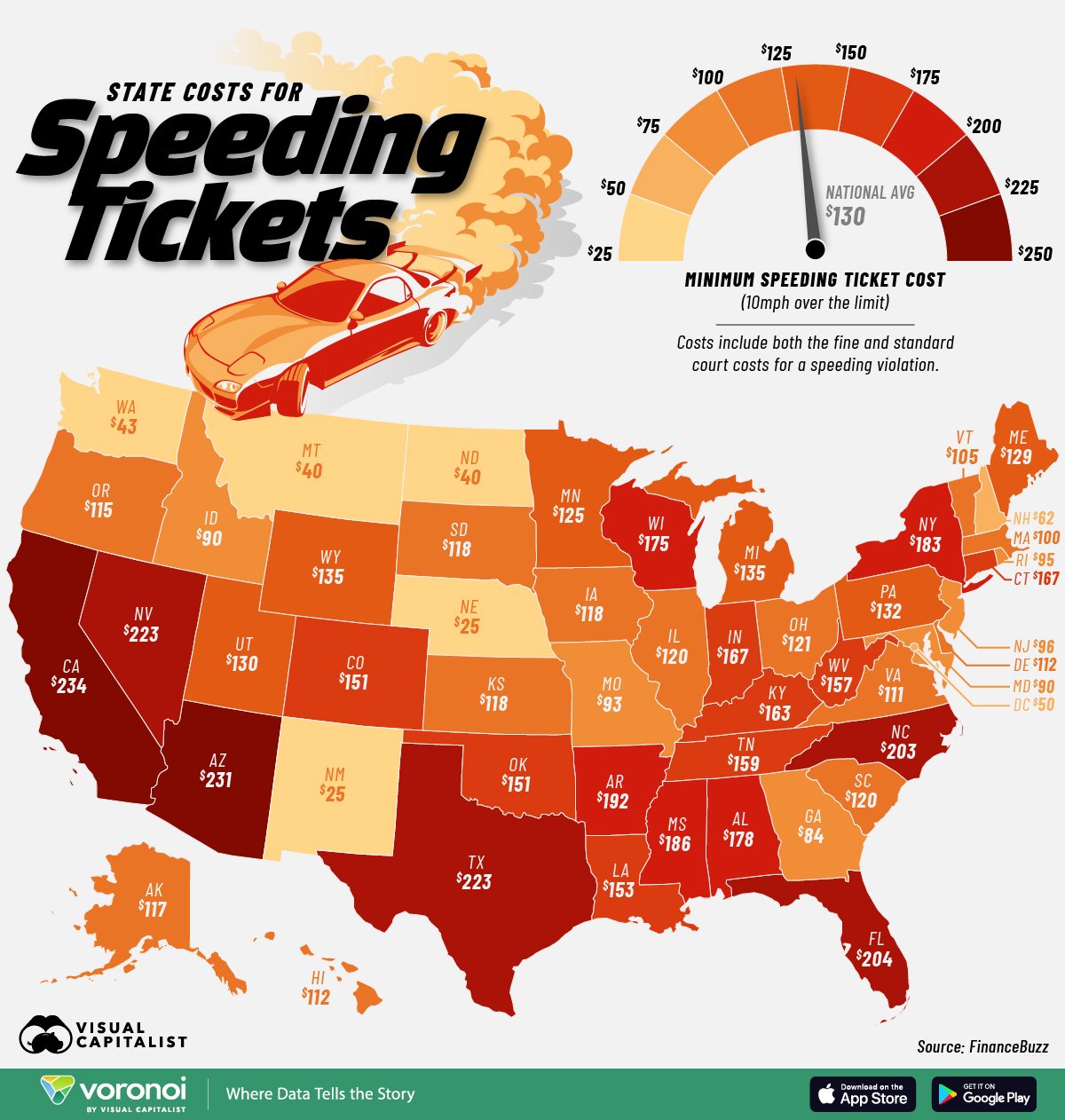
Getting pulled over for speeding often feels like a minor setback. Many drivers glance at the fine, grumble a bit, and pay it as quickly as possible. In 2026, that quick decision can turn out to be far more expensive than expected.
A speeding ticket today affects more than your wallet in the moment. It can impact your driving record, raise your insurance premiums for years, and create problems that don’t show up until long after the ticket is paid. Understanding the real cost of a speeding ticket—and knowing when to involve a traffic ticket attorney—can make a significant difference.
The Ticket Fine Is Only the Starting Point
Why the Posted Amount Is Misleading
The dollar amount printed on a speeding ticket is rarely the final amount owed. While fines vary by location and speed, most jurisdictions in 2026 attach multiple required charges to every citation.
What often gets added:
- Court processing costs
- State or municipal surcharges
- Traffic safety or infrastructure fees
By the time everything is tallied, the total owed can be substantially higher than expected.
Speed Thresholds Matter
Many states now use escalating penalties based on how far over the limit you were driving. Crossing certain speed thresholds can dramatically increase both fines and future consequences.
License Points: A Quiet but Serious Penalty
How Points Affect Drivers in 2026
Speeding tickets frequently add points to your driving record. The number of points depends on the severity of the offense and local laws, but even a modest violation can leave a lasting mark.
Points may:
- Stay on your record for multiple years
- Push you closer to license suspension
- Increase penalties for future tickets
Drivers often underestimate how quickly points accumulate and how difficult they are to remove once assessed.
Why Points Are More Costly Than Fines
Fines are paid once. Points linger. They influence insurance pricing, employment opportunities involving driving, and how courts view any future violations.
Insurance Increases: The Expense That Lingers
What Happens After a Conviction
When a speeding ticket is paid, it is typically recorded as a conviction. Insurance providers routinely monitor driving records and adjust rates accordingly.
In 2026, even one speeding conviction can result in:
- Noticeable premium increases
- Loss of safe driver discounts
- Higher renewal costs for several years
Over time, these increases often exceed the original ticket cost by a wide margin.
Why Insurance Costs Add Up Fast
An extra $50 or $75 per month may not seem dramatic at first. Spread over multiple policy periods, however, the total impact can reach thousands of dollars.
Overlooked Costs Drivers Rarely Factor In
Time and Convenience
Handling a ticket often involves more than paying a fine. Court dates, defensive driving requirements, and administrative processes all take time—time many drivers can’t afford to lose.
Work and Professional Consequences
For individuals who drive as part of their job or hold a commercial license, a speeding ticket can create employment complications. Some employers actively monitor driving records and impose penalties or restrictions after violations.
When Should You Contact a Traffic Ticket Attorney?
Before You Take Any Action
One of the most common mistakes drivers make is acting too quickly. The best time to speak with a traffic ticket attorney is before you plead guilty or submit payment.
Once a ticket is paid, your options are usually limited.
Situations Where Legal Guidance Is Especially Helpful
You should strongly consider contacting an attorney if:
- You already have points on your license
- The ticket involves high-speed allegations
- You rely on driving for your income
- A suspension or probation is possible
- You want to limit insurance consequences
An attorney can explain the potential outcomes before irreversible decisions are made.
Smart Questions to Ask Before Hiring an Attorney
Getting Clear Answers Upfront
When speaking with a traffic ticket lawyer, consider asking:
- What penalties could this ticket trigger?
- Is there a possibility of reducing or amending the charge?
- Will this violation affect my insurance rates?
- Do I need to appear in court personally?
- What are the potential long-term savings?
Understanding these factors helps drivers make informed decisions rather than reactive ones.
Comparing Costs Realistically
Legal representation often costs less than the cumulative financial impact of higher insurance premiums and long-term record damage.
Fighting or Reducing a Speeding Ticket in 2026
Every Case Is Different
Speeding tickets are not always as straightforward as they appear. Details matter, including how speed was measured, how the citation was issued, and whether proper procedures were followed.
Reduction Can Be a Win
In many cases, the goal is not complete dismissal. Reducing a ticket to a non-moving violation can:
- Prevent points from being added
- Minimize insurance consequences
- Protect your driving history
Even small adjustments can have significant long-term benefits.
Why Paying the Ticket Immediately Can Cost the Most
Short-Term Convenience vs. Long-Term Impact
Paying a ticket may feel like the fastest solution, but it often locks in consequences that follow you for years. Many drivers only realize the true cost after insurance renewals arrive.
A Decision That Echoes
In 2026, traffic enforcement systems are more connected than ever. A single ticket can influence multiple aspects of your financial and legal life.
Final Takeaway: Know the Full Cost Before You Decide
A speeding ticket is rarely just a fine. Between added fees, license points, insurance increases, and long-term consequences, the true cost can far exceed expectations.
Before paying a ticket, take the time to understand what’s at stake. Speaking with a traffic ticket attorney early can help you protect your record, control future costs, and avoid mistakes that are difficult—or impossible—to undo later.